


Below-Kneecap Placement
Centers the shaped pad over the patellar tendon area rather than the kneecap.
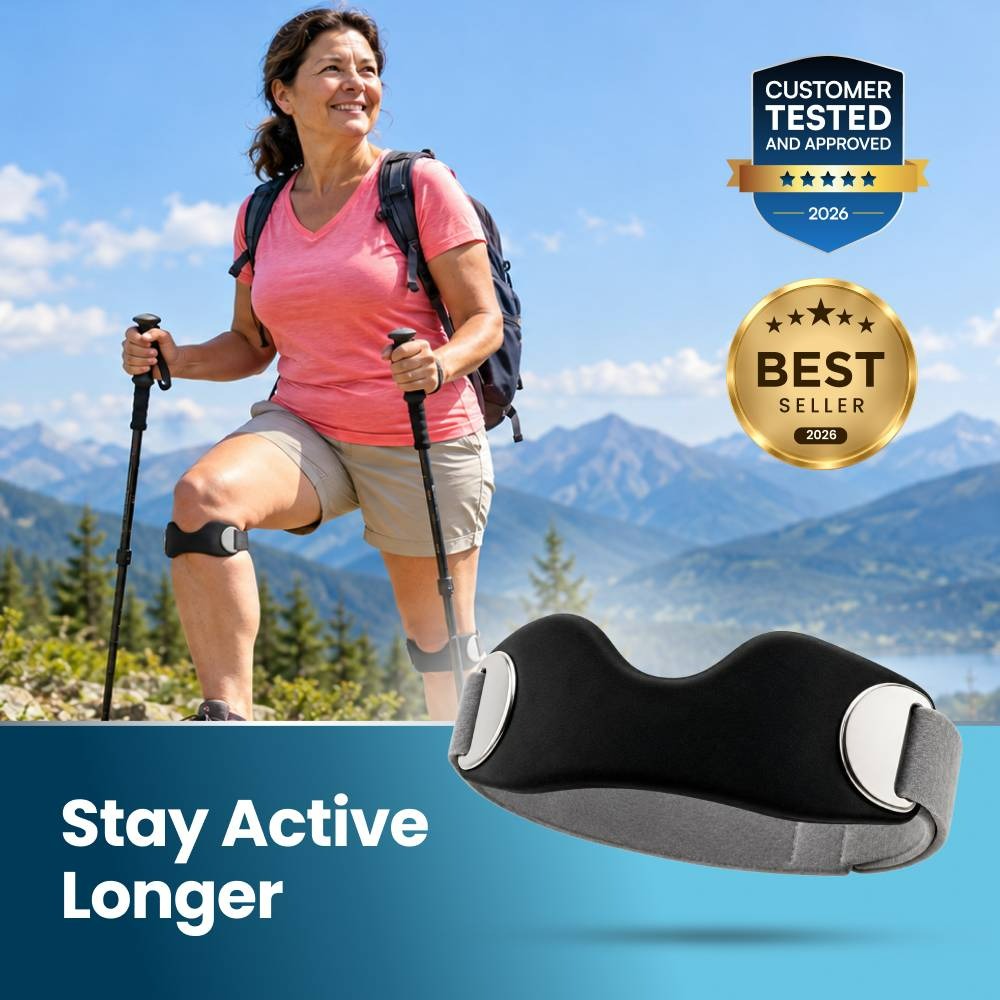
A slim adjustable strap that applies focused support below the kneecap while keeping the rest of the knee free to move.
Select your market to check FlexNey availability. Save up to 70% where available.
FlexNey is a low-profile knee support strap designed to sit just below the kneecap over the patellar tendon area. Instead of covering the entire knee like a bulky brace or sleeve, it concentrates supportive pressure in a smaller zone while leaving the joint free for everyday bending and movement.
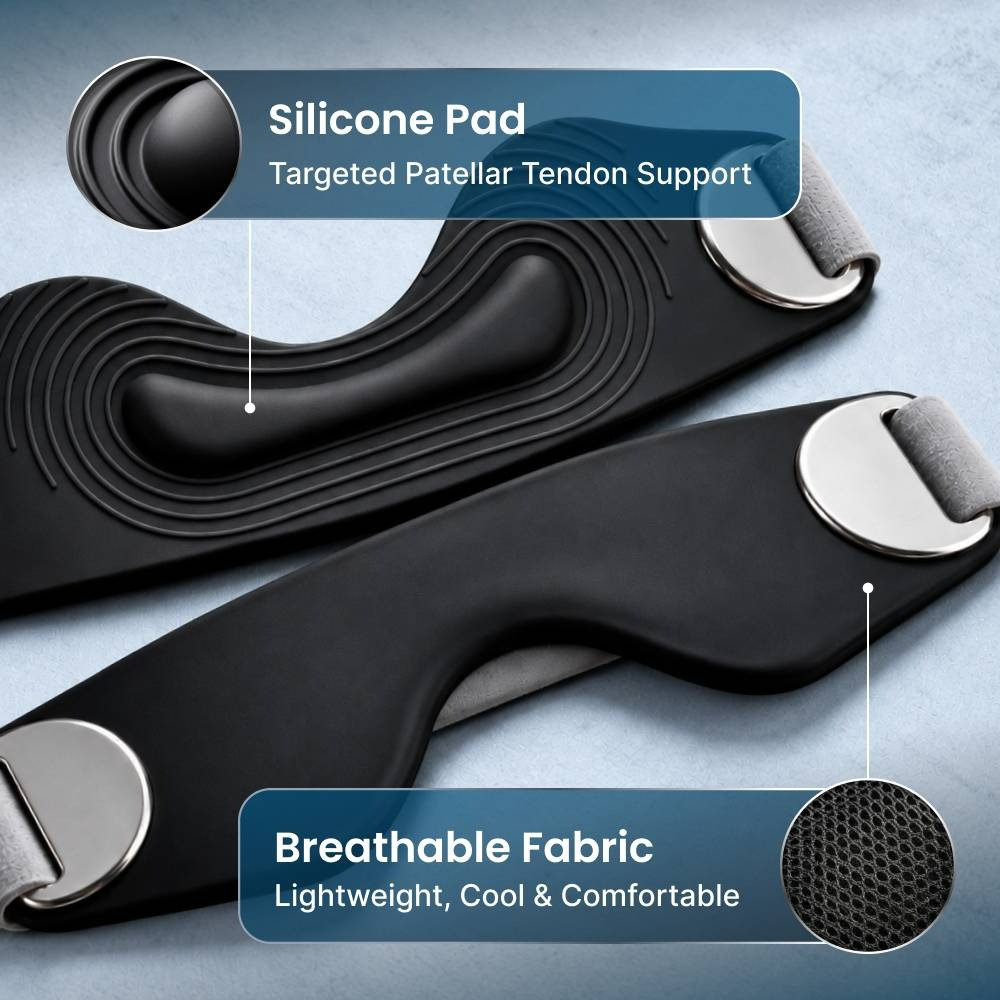
The shaped silicone pad is positioned beneath the kneecap and helps distribute pressure across the front of the knee when the strap is fitted correctly. The strap is not intended to immobilize the knee; its role is to provide targeted external support while you walk, take stairs, stand, garden or handle other daily activities.
An adjustable one-size design lets you control how firmly the strap sits around the knee. The correct fit should feel secure and even without numbness, tingling or excessive pressure. Position and tension matter, so the strap should be centered below the kneecap rather than placed directly over it.
FlexNey uses breathable cloth, polyester and Lycra to keep the construction lighter than a full wraparound neoprene brace. Its narrow profile also makes it easier to wear discreetly beneath trousers or leggings when you want support without adding much bulk around the knee.
FlexNey is reusable and drug-free. It provides physical support rather than medication or a disposable treatment, and it can be put on when extra support is useful and removed when it is not needed. It is not a substitute for diagnosis or treatment of a knee injury or medical condition.
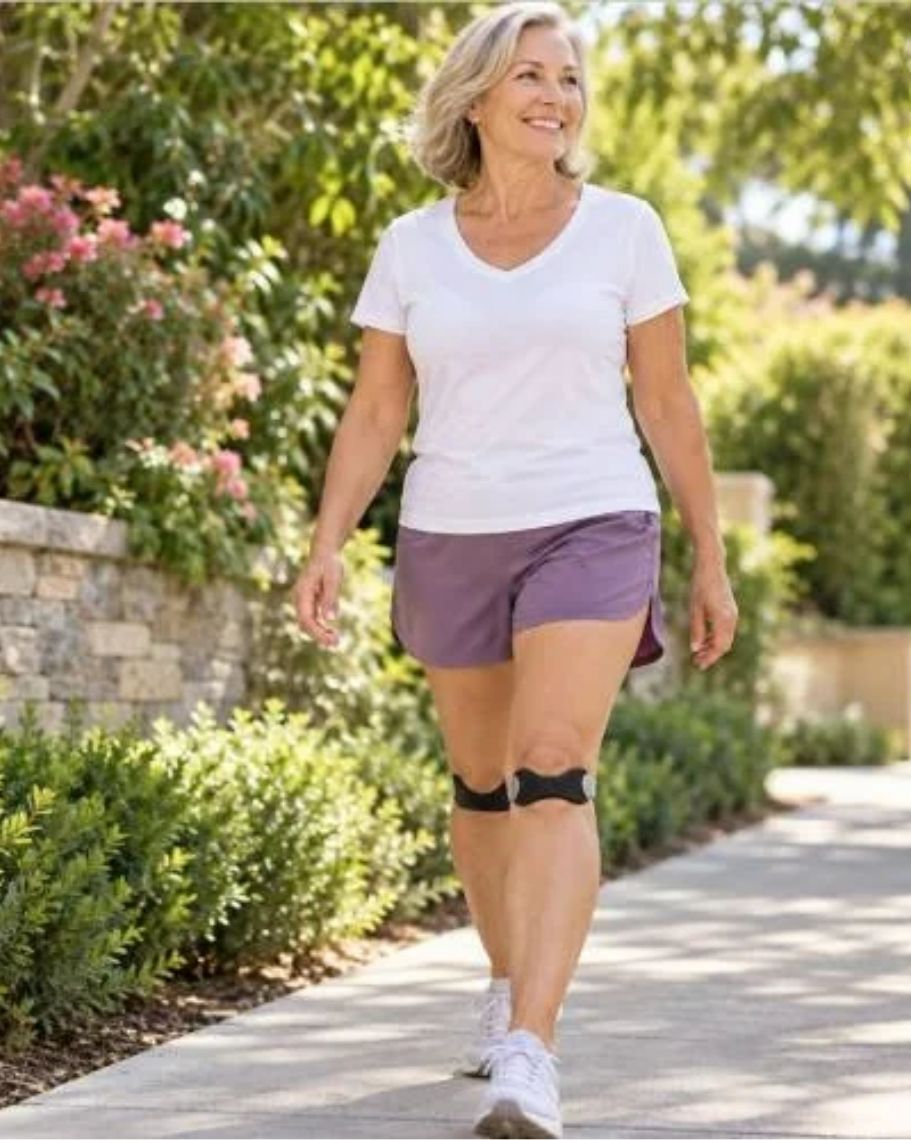
FlexNey is worn across the patellar tendon area between the kneecap and the shin bone. The shaped silicone pad creates a focused contact zone while the adjustable strap keeps that pad positioned during normal movement.
Because the strap sits below the kneecap instead of enclosing the whole joint, the knee can continue to bend naturally. This makes the design different from a supportive knee sleeve or full brace that compresses a much larger area.
The amount of support depends on placement and tension. Center the pad, keep the knee slightly bent while fitting, and adjust only until the pressure feels firm and comfortable. More tension is not automatically better.
A good fit starts with placement. The strap should sit below the kneecap over the patellar tendon area, not across the kneecap itself. Keeping the knee slightly bent while fastening can help the strap settle into a comfortable working position.
Tighten until the pressure feels supportive but not restrictive. If you notice numbness, tingling, unusual discoloration, excessive pressure or increasing discomfort, loosen or remove the strap.
Once fitted, check the position after a few minutes of walking or taking stairs. Everyday movement can change how a strap sits, so small readjustments may be needed during longer periods of use.
Centers the shaped pad over the patellar tendon area rather than the kneecap.
Lets you set firm, even support instead of relying on a fixed compression level.
Leaves most of the joint uncovered so bending and walking remain unrestricted.
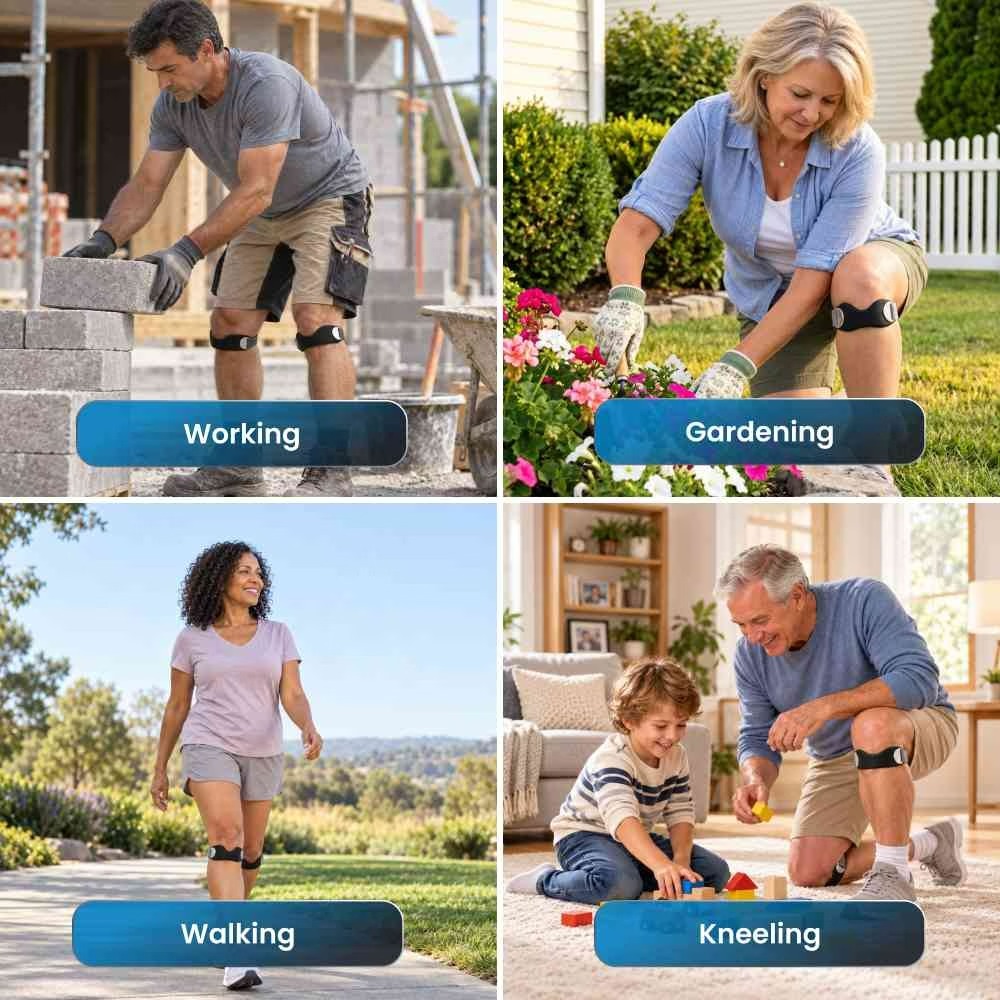
FlexNey can be worn when you want extra knee support during routine movement such as walking, taking stairs, running errands, standing for extended periods or gardening. It can also be removed when you do not need additional support.
The slim strap is designed for everyday convenience, but support needs differ from person to person. Persistent pain, swelling, instability after injury, locking, or symptoms that worsen with activity should be evaluated by a qualified healthcare professional.
Add targeted support during routine walking without covering the whole knee.
A secure fit can provide supportive pressure during repeated bending and stepping.
Wear the strap during periods when you spend a long time on your feet.
Use it during suitable low-impact household and garden activities.
The low-profile design can fit under many trousers or leggings.
Put it on when extra support is useful and remove it when you are finished.
Start by locating the space just below the kneecap and above the shin bone. FlexNey should sit over this patellar tendon area, not on top of the kneecap.
Keep the knee slightly bent while wrapping the strap around the leg. This helps you judge comfort and position in a posture closer to normal movement.
Tighten until the strap feels firm, even and secure, then walk a few steps and reassess. Loosen it immediately if you feel numbness, tingling or excessive pressure.
Center the shaped pad over the patellar tendon area between the kneecap and shin bone.
Keep the knee slightly bent while wrapping and securing the strap.
Set firm, comfortable pressure, move normally, then readjust if the strap shifts.
FlexNey combines a shaped silicone pressure pad with a flexible textile strap made from breathable cloth, polyester and Lycra. The materials are arranged around a narrow support band rather than a full knee sleeve.
The adjustable construction is intended to fit a range of knee sizes without a rigid brace frame. A low-profile shape also helps reduce bulk under everyday clothing compared with larger wraparound supports.
Because FlexNey is reusable, the same strap can be fitted again whenever you want additional physical support. Inspect it regularly for wear, damaged stitching, loss of elasticity or changes that prevent a secure fit.
The front support area uses a shaped silicone pad to create focused contact below the kneecap. The surrounding textile construction combines cloth, polyester and Lycra so the strap can wrap around the knee and be adjusted to a secure fit.
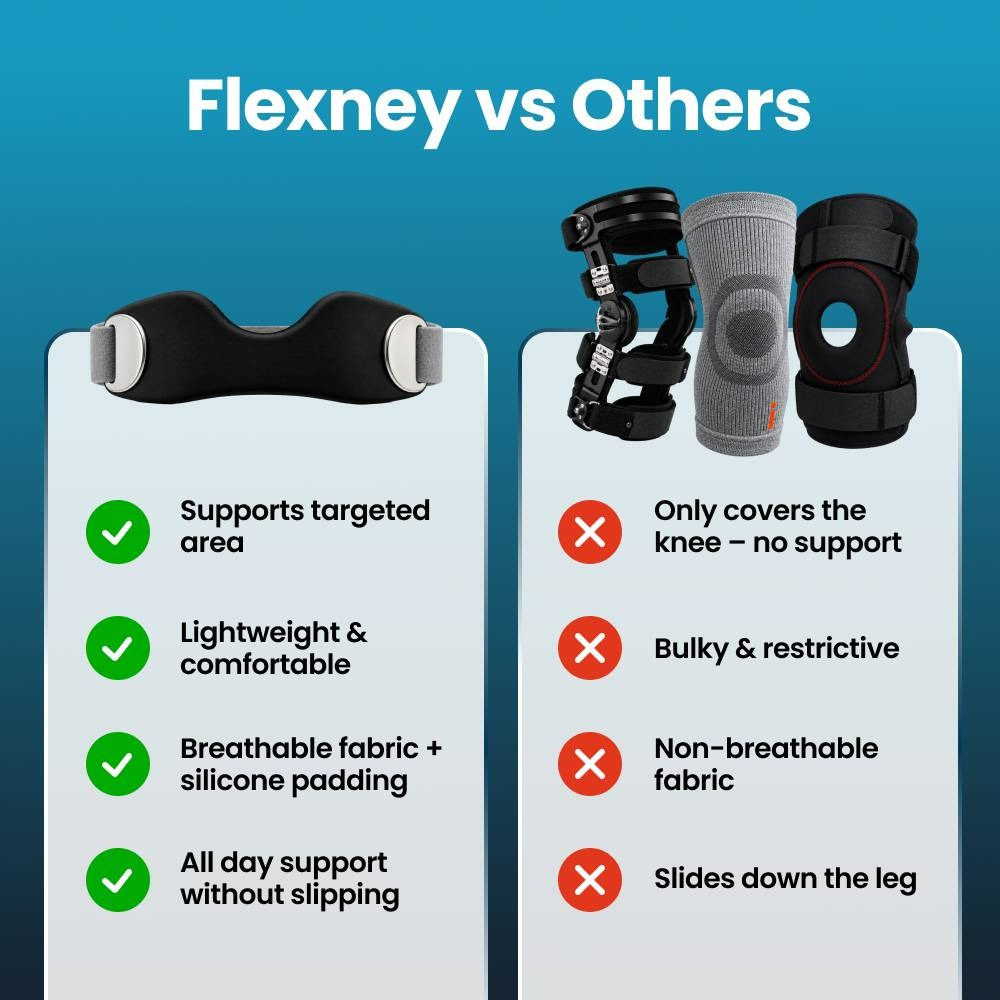
Unlike a full supportive knee sleeve, FlexNey leaves much of the knee exposed. That means less material around the joint and a slimmer profile under many trousers or leggings.
Keep the strap clean and dry according to the care information supplied with the product. Do not continue using a strap that is torn, damaged, badly stretched or unable to stay securely positioned.
Provides the shaped contact area positioned below the kneecap.
Keeps the strap lighter than a thick full-knee wrap.
Adds structure and durability to the textile construction.
Provides stretch that helps the strap conform around the knee.
Uses less material than a full sleeve so it can sit discreetly under clothing.
FlexNey is an external support strap, so fit and skin comfort should be checked during use. Stop and reassess if pressure becomes uncomfortable or symptoms change.
The strap should not cause numbness, tingling, discoloration or a throbbing sensation.
Remove the strap periodically and look for persistent irritation, rubbing or pressure marks.
If the pad moves away from the target area, stop and refit rather than simply tightening harder.
Significant swelling, deformity, severe pain or a recent injury needs appropriate medical assessment.
FlexNey provides physical support and does not diagnose, cure or replace treatment for a medical condition.
Answers about targeted knee support, positioning, fit, everyday wear, materials and reuse.
Most braces and sleeves cover or compress a large part of the knee. FlexNey uses a narrower strap with a shaped silicone pad positioned below the kneecap, so support is concentrated around the patellar tendon area while most of the joint remains uncovered.
The compact design is intentional. FlexNey applies focused external pressure below the kneecap instead of surrounding the entire knee. The amount of support depends on correct placement and a firm, comfortable fit.
FlexNey is designed to provide targeted physical support during everyday movement for people who want additional support around the patellar tendon area. It is not a treatment for osteoarthritis, tendonitis, injury or another medical condition.
Position the shaped pad just below the kneecap, centered over the area between the kneecap and shin bone. The strap should not sit directly across the kneecap.
Tighten it until the pressure feels firm, even and comfortable. Loosen or remove it if you experience numbness, tingling, discoloration, throbbing or excessive pressure.
FlexNey is designed to stay positioned when correctly centered and adjusted, but movement and body shape can affect fit. Recheck the position after walking and readjust if it shifts.
Wear it when you want extra support during activities such as walking, taking stairs, standing, gardening or errands. You do not necessarily need to wear it all day.
FlexNey uses a one-size adjustable design. Adjust the strap until the fit is secure and comfortable; if it cannot be fitted without excessive pressure or slipping, do not force the fit.
Yes. Its narrow, low-profile shape is designed to sit discreetly under many trousers or leggings without the bulk of a full knee brace.
FlexNey uses breathable cloth, polyester and Lycra and covers less area than a full neoprene-style sleeve. Heat and perspiration still vary by person, activity and environment.
Yes. Position it below the kneecap, wrap the strap around the knee and adjust until the pressure feels firm and comfortable. Recheck the position once you start moving.
Yes. FlexNey is a reusable, drug-free physical support strap. Inspect it for wear and keep it clean according to the care information supplied with the product.
Select your market to check FlexNey availability. Save up to 70% where available.